Is Oahu or Maui Better for Whale Watching?
A grounded look at how Oahu's convenience stacks up against Maui's far denser whale nursery, without overselling either one.
Start with the island where you will stay. A Maui boat ticket does not include a flight or transfer from Oahu.
Independent guide; tours are run by the listed operators. We may earn a commission from bookings. Article price examples are indicative; check current totals and restrictions at booking.
Quick choice: A winter catamaran trip with whale-behavior narration, shaded seating and drinks. Explore Waikiki Morning Whale Watch
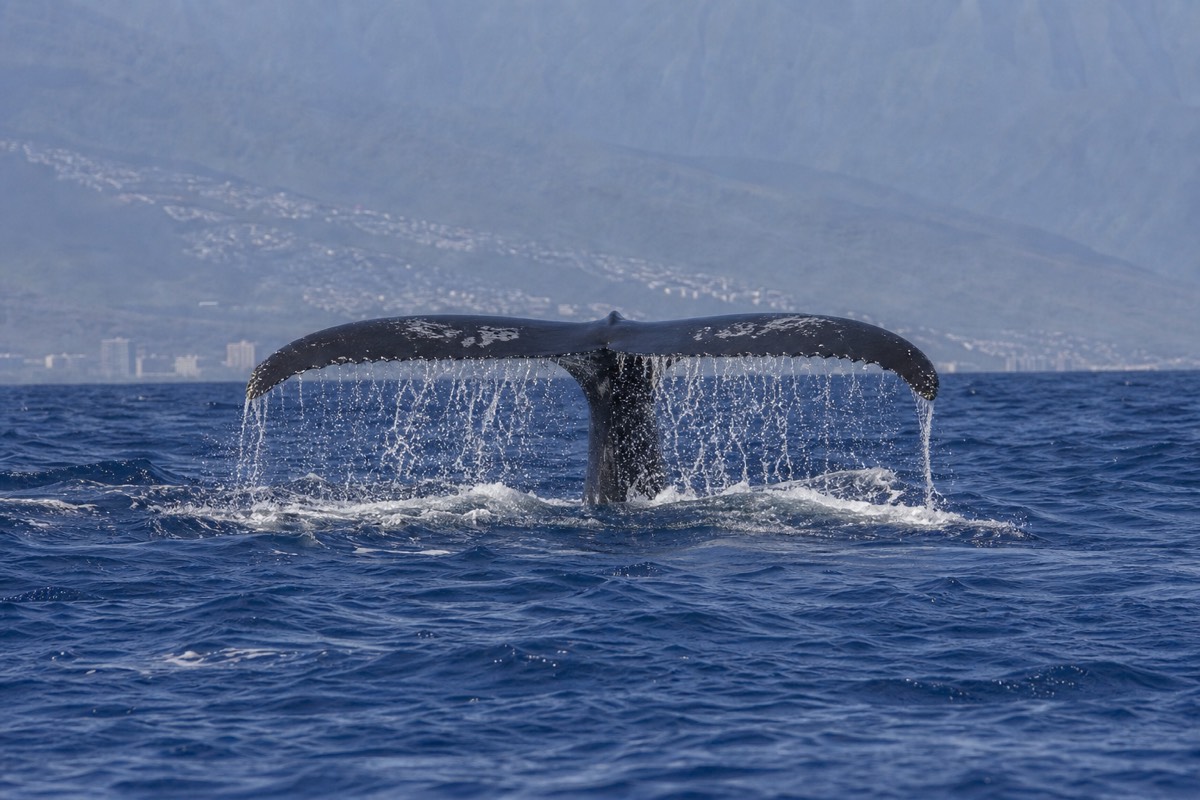
Every humpback whale that migrates to Hawaii between December and April ends up choosing, in effect, between open water off several islands, and one stretch holds far more of them than the rest. The Au'au Channel, the strip of ocean between Maui, Molokai, and Lanai, is shallow and sheltered enough that researchers describe it as the state's primary calving and nursing ground. Oahu gets real whales too, but the density isn't the same, and pretending otherwise wouldn't do a reader any favors.
Why Maui's Au'au Channel Wins on Density
The Au'au Channel sits mostly 100 to 250 feet deep, shallow by open-ocean standards and shielded from big swells by the islands surrounding it on three sides. That combination matters specifically for mother-and-calf pairs: shallower, calmer water gives a newborn calf, which still has to learn to surface, dive, and keep pace with its mother, a far safer environment than open Pacific swell. Between December and mid-April, an estimated 10,000 to 12,000 North Pacific humpbacks gather across the broader Maui Nui Basin that includes this channel, according to NOAA Fisheries research. That's the core reason Maui-based tours market themselves so heavily around whale season: the water in front of their harbors genuinely holds more whales per square mile than most other departure points in the state.
This isn't a marketing claim invented by Maui's tour operators. It's the same reason NOAA's Hawaiian Islands Humpback Whale National Marine Sanctuary designates this channel as some of the most critical breeding and calving habitat it protects, stretching from shallow nearshore water to deeper offshore areas around it. A channel that shallow and that sheltered is genuinely rare in the open Pacific, which is exactly why humpbacks keep returning to it winter after winter.
What Oahu Offers Instead
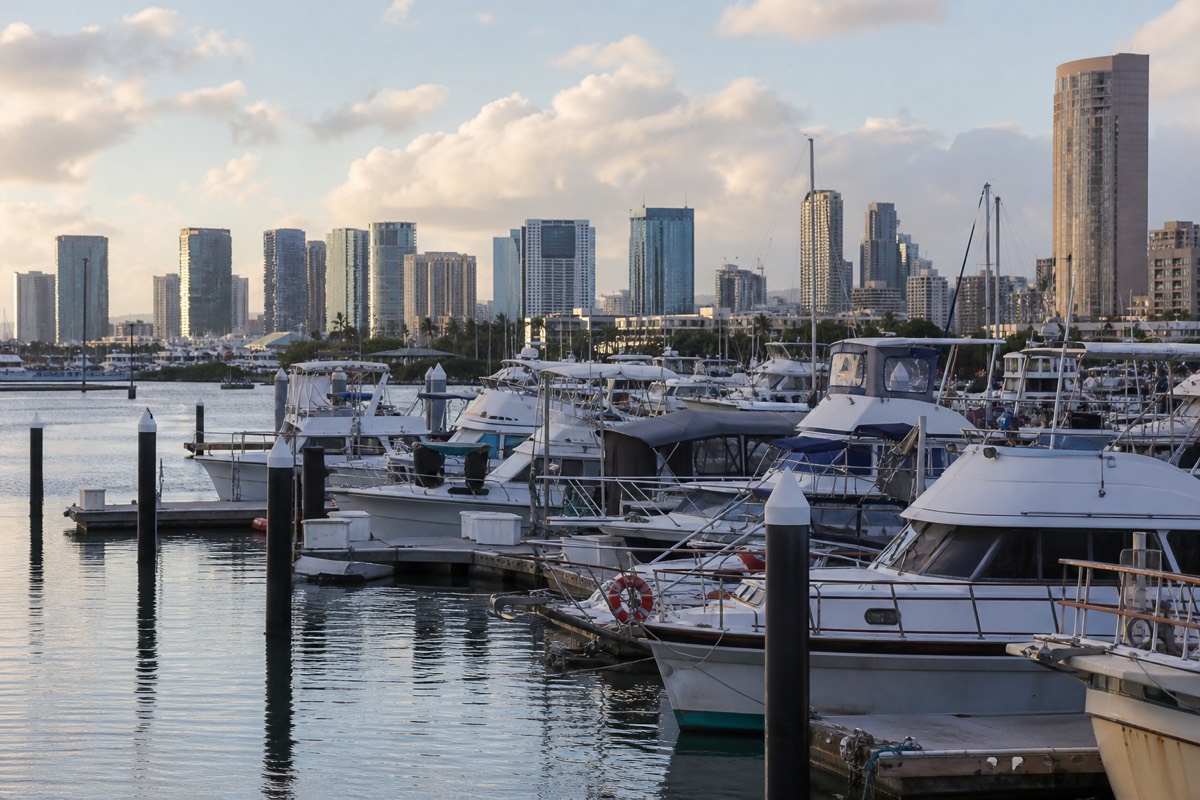
Oahu's south shore isn't the Au'au Channel, but it isn't empty water either. Humpbacks pass along Oahu's coastline as part of the same broader Hawaiian migration, and boats out of Waikiki's harbors see real sightings through the December-through-May season, particularly in the January-through-March peak. The honest trade-off is convenience against density. If you're already staying in Waikiki, a two-hour boat trip from Kewalo Basin Harbor costs you an afternoon. Getting to Maui's whale water costs an interisland flight, a rental car, and usually at least a night's hotel, on top of the tour itself. For a lot of travelers, especially anyone whose trip is centered on Oahu with limited days to spare, that convenience is the deciding factor, not a consolation prize.
Oahu vs. Maui: The Honest Comparison
| Factor | Oahu | Maui |
|---|---|---|
| Whale density in peak season | Real sightings, lower concentration | Higher concentration; the Au'au Channel is the state's primary nursery |
| Typical departure point | Waikiki-area harbors (Ala Wai, Kewalo Basin) | Lahaina and Maalaea harbors, right on the channel |
| Convenience if already staying there | High, no interisland travel needed | Requires a flight if you're based on Oahu |
| Typical tour length | About 2 hours | Roughly 2 hours, similar format |
| Best for | Visitors centered on Oahu with limited time | Travelers making whale watching a primary focus of the trip |
So Which Should You Actually Book?
If whale watching is the single most important thing on your Hawaii itinerary and you have the days to spare, Maui's channel genuinely delivers more whales per trip, and it would be dishonest to say otherwise. If your trip is centered on Oahu, whether that's the whole vacation or just where you happen to be staying, our own whale watching tour from Kewalo Basin Harbor still puts you in real migration waters during the season, without adding a flight to the plan. Reduced passenger capacity and an onboard hydrophone mean you're not just hoping for a distant fluke; you can hear the whales even on a quieter sighting day. Neither island is the wrong choice. They're answering different questions.
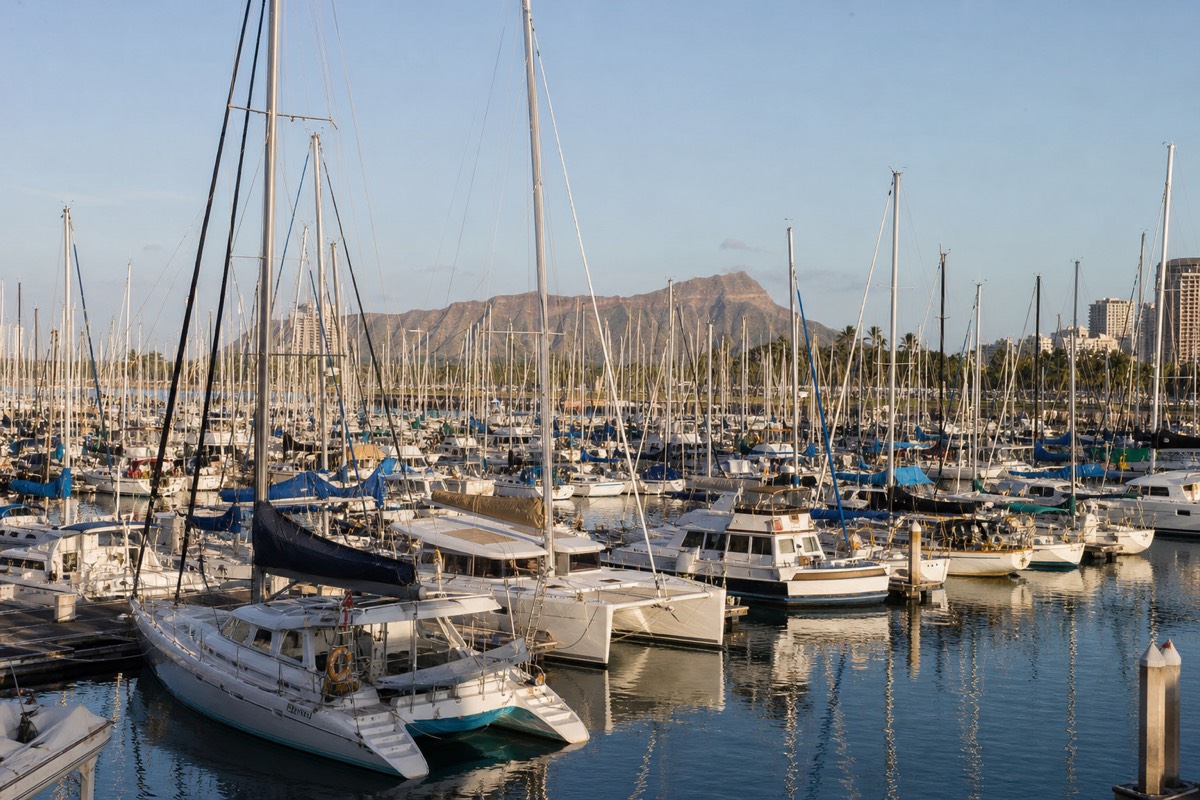
Timing matters just as much as the island choice. Both destinations run on essentially the same NOAA-defined season, December 15 through May 15, with January through March as the peak everywhere in the state, so getting the calendar right pays off no matter which harbor you leave from.