Best Time for Whale Watching on Oahu (2026-2027 Season)
The official NOAA whale season, mapped month by month, so you know exactly when to book if seeing a humpback matters to your trip.
Match your dates to the operator’s advertised season as well as the migration. This shortlist’s Oahu whale watch runs December through April.
Independent guide; tours are run by the listed operators. We may earn a commission from bookings. Article price examples are indicative; check current totals and restrictions at booking.
Quick choice: A winter catamaran trip with whale-behavior narration, shaded seating and drinks. Explore Waikiki Morning Whale Watch
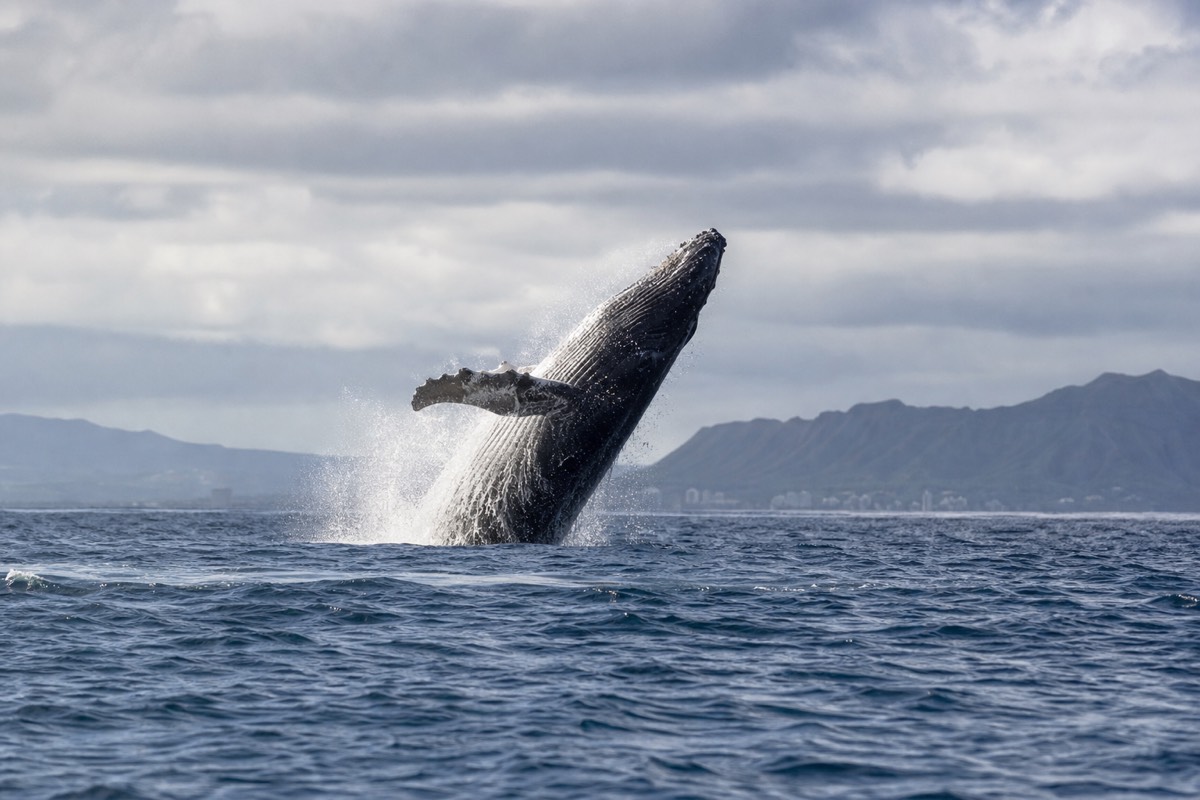
Somewhere between mid-December and mid-May, the channels off Oahu fill with humpback whales that spent the summer feeding in Alaska and swam roughly 3,000 miles south to breed, calve, and nurse their young in warm Hawaiian water. Outside that window, the whales simply aren't here, no matter how good the boat or how experienced the captain. Timing a trip right matters more for whale watching than for almost anything else this island offers.
Most of what gets written about "the best time" for this is vague, a loose Dec-to-April guess repeated from one travel blog to the next. There's a more precise answer than that, and it comes from the federal agency that actually manages this stretch of ocean, not from tour-marketing copy.
At a glance
Season window and peak period per the NOAA Hawaiian Islands Humpback Whale National Marine Sanctuary; bar lengths show qualitative likelihood tiers, not a statistical sighting count.
The Official Whale Season, According to NOAA
The waters around Hawaii, including Oahu, sit inside the Hawaiian Islands Humpback Whale National Marine Sanctuary, the federal designation that governs how boats and swimmers are allowed to interact with the whales. NOAA sets the sanctuary's official humpback season from December 15 through May 15, with peak numbers concentrated from January through March. That window is the backbone of everything below. It isn't a marketing estimate, it's the government's own defined season for the species in these waters. Federal regulations also require vessels to stay at least 100 yards from any humpback whale once one is spotted, a distance rule the Hawaii Tourism Authority highlights for visitors planning a trip.
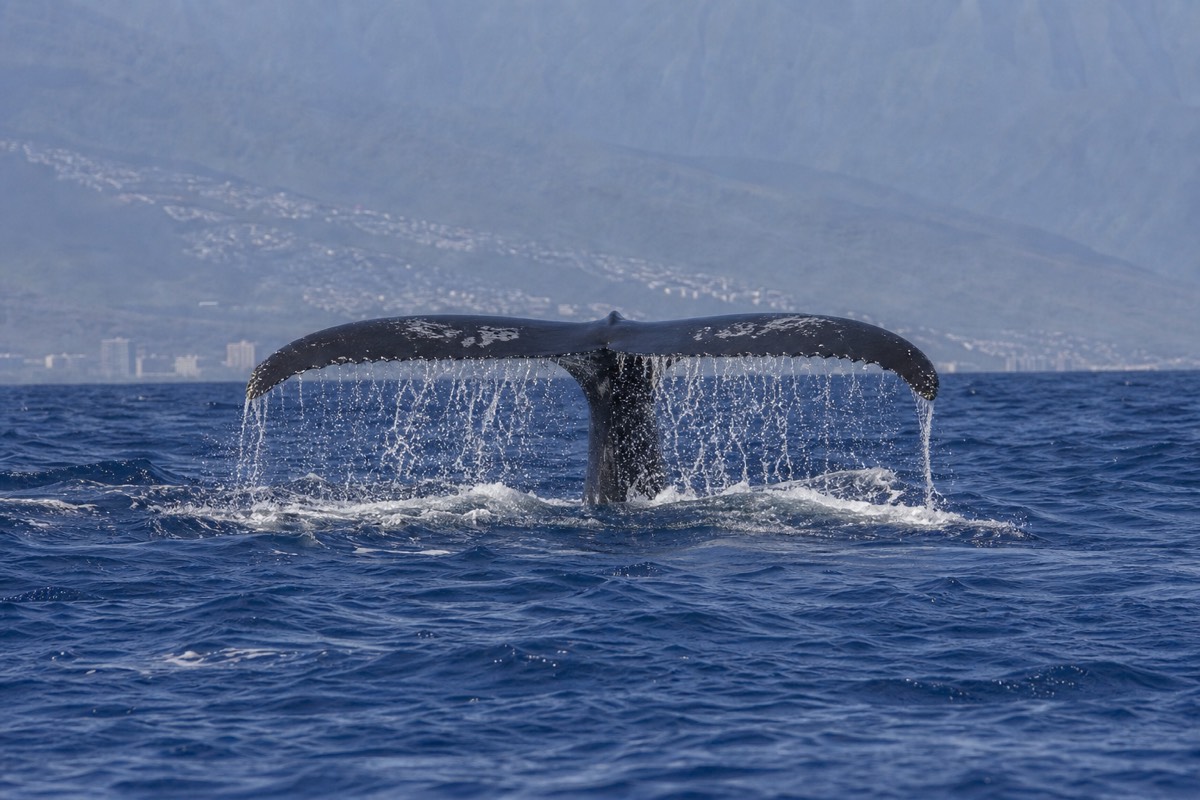
The reason the season is this specific comes down to biology, not tourism convenience. North Pacific humpback whales spend their summers feeding in the cold, nutrient-rich waters off Alaska, building up fat reserves. They largely stop feeding once they reach Hawaii, living off that stored fat through the winter while they breed, give birth, and nurse newborn calves in water warm enough for a calf without much blubber yet to survive comfortably. Once calves are strong enough for the trip, usually by spring, the whole population heads back north to feed again, which is what drives the season's May close.
| Milestone | Timing | Source |
|---|---|---|
| Official season opens | December 15 | Hawaiian Islands Humpback Whale National Marine Sanctuary (NOAA) |
| Peak season | January through March | NOAA sanctuary designation |
| Official season closes | May 15 | NOAA sanctuary designation |
| Whales largely absent | June through November | Migrated back to Alaska feeding grounds |
Month-by-Month: What to Actually Expect
The season doesn't switch on and off like a light. It builds through December, holds through the peak, then tapers back out through spring as whales begin the long swim north again. Knowing roughly where in that curve your travel dates fall is the single most useful piece of planning information for a whale-focused trip.
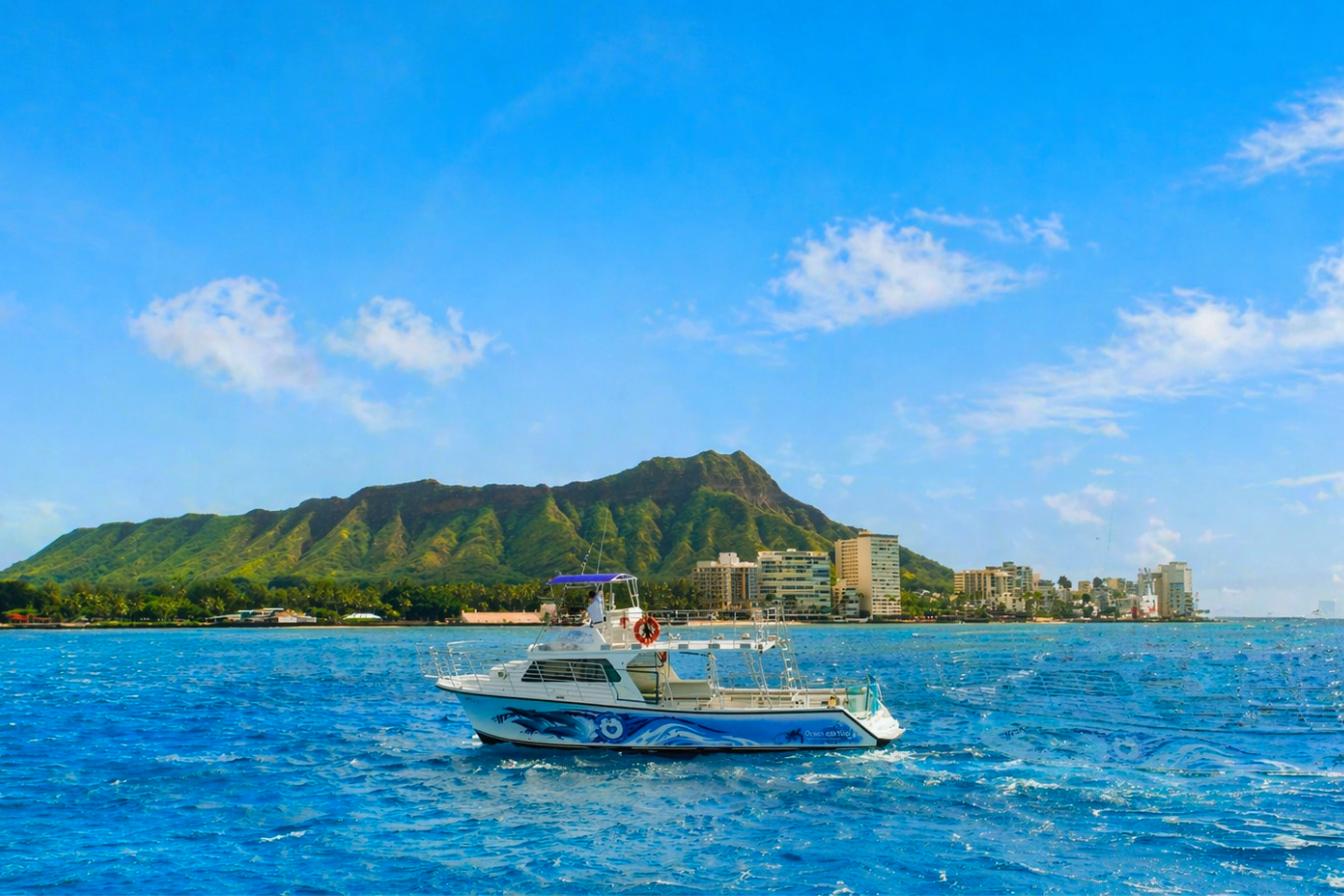
December and January cover the arrival phase, when whale numbers are climbing but not yet at their highest. February and March are when the water off Oahu holds the most whales at once, including a growing number of mothers with young calves as the season's earlier arrivals finish giving birth. By April, some of the season's earliest arrivals have already started the trip back to Alaska even as later-arriving whales are still present, which is why late-season sightings, while real, get noticeably patchier day to day.
| Month | What's happening | Sighting likelihood |
|---|---|---|
| December (from the 15th) | Early arrivals show up as the season officially opens | Building, inconsistent early in the month |
| January | Numbers climb fast as more whales complete the migration south | Peak season |
| February | Typically the month with the most whales in Hawaiian waters | Peak season |
| March | Still peak season, with mothers and newly born calves increasingly visible | Peak season |
| April | Numbers thin as whales start the trip back north, but sightings remain good | Still good, late season |
| May (through the 15th) | The tail end of the season, with fewer whales lingering in warm water | Tapering off |
| June through November | Whales have returned to Alaska to feed for the summer | Out of season |
None of the month-by-month pattern above is guesswork pieced together from anecdotal trip reports. It reflects decades of monitoring by researchers and the sanctuary itself, tracking when whales arrive, when calving activity peaks, and when the population thins back out toward the North Pacific. Individual years shift slightly around the edges, an early arrival here, a slow week there, but the overall shape of the season, quiet start, sharp peak, gradual taper, holds consistently year after year, which is exactly why the sanctuary's dates are worth treating as the real baseline rather than a rough seasonal guess.
Why Our Whale Watching Tour Is Built Around This Window
The currently verified whale-watch option leaves Kewalo Basin Harbor and advertises December through April departures. Migration dates and an operator’s bookable schedule are different things; check the calendar for your trip.
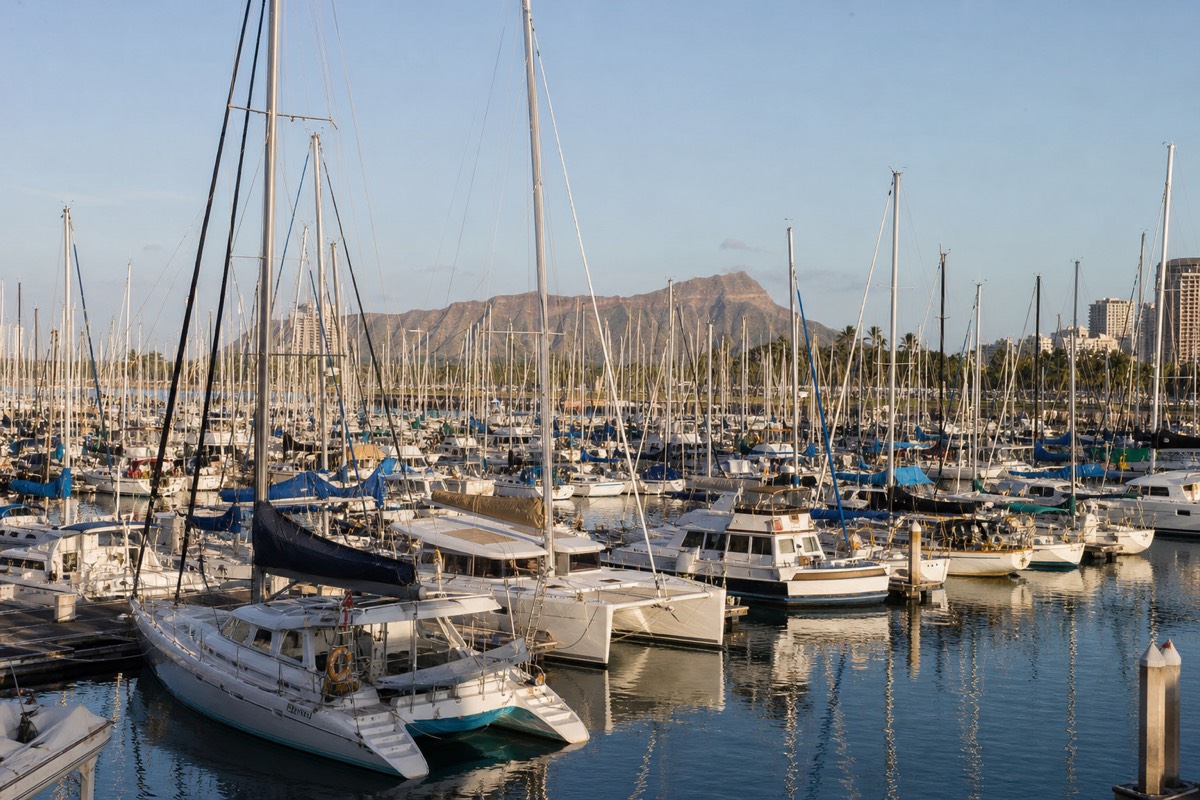
The currently verified Waikiki Morning Whale Watch is a two-hour catamaran trip with whale-behavior narration and shaded and open seating. Wildlife sightings vary. Its listing offers a free re-ride if no whales are seen, rather than a cash refund; check the current terms and your remaining travel dates. A hydrophone and a reduced passenger count are not confirmed for this replacement product.
The boat itself, a catamaran departing from Kewalo Basin Harbor, gives guests a choice between a shaded main cabin and a more exposed upper deck for wider sightlines, which matters more than it sounds like on a two-hour trip where you're watching open water the whole time. The crew narrates behavior in real time rather than just pointing and staying quiet, so first-timers who don't already know a breach from a pec slap leave with a better sense of what they actually saw.
None of that changes the biology. Book in July and no hydrophone or guarantee puts a whale in the water that isn't there. The guarantee exists precisely because even in peak season, wildlife sightings carry real variability trip to trip.
The guarantee itself is worth understanding rather than just skimming past. It's a practical acknowledgment that whales are wild animals, not scenery on a fixed schedule: even during the January-through-March peak, a specific two-hour window can occasionally come up empty. Rather than leaving that risk entirely on the guest, the operator's policy is to offer a free return trip within a set window if your group doesn't see a whale. It's not a discount or a partial refund, it's simply another shot at the same experience, which matters most for visitors who only have one boat-tour slot in their trip and want some protection against bad luck on the day they happen to book.
Morning or Afternoon: Which Wins
Time of day affects comfort and photo quality more than it affects whether whales show up at all.
| Departure | Typical conditions | Trade-off |
|---|---|---|
| Morning | Calmer seas, better visibility before trade winds build, whales often active after resting overnight | Earlier wake-up, tighter check-in window |
| Afternoon | Warmer light for photos, a more relaxed boarding process | Choppier water as trade winds pick up through the day |
Most operators, including the whale watch listed here, run departures in both windows during peak months, so this comes down to your own preference for calm water versus golden-hour light rather than any real difference in whale numbers. If motion sensitivity is a bigger concern for you than lighting, the calmer morning conditions are the more comfortable pick regardless of whale activity; see our boat tour seasickness guide for more on why the sea state itself, not the time of day, tends to drive that discomfort.
What a Whale Is Actually Doing Out There: A Quick Glossary
| Behavior | What it looks like |
|---|---|
| Breach | The whale launches most or all of its body out of the water and crashes back down |
| Tail slap (lobtailing) | The whale slaps its tail fluke against the surface repeatedly |
| Pec slap | A whale rolls to one side and slaps a long pectoral fin on the water |
| Spy hop | The whale rises vertically, head above the surface, apparently to look around |
| Blow (spout) | The visible exhale of mist as the whale surfaces to breathe, often the first sign one is nearby |
| Fluke dive | The tail rises out of the water as the whale dives deep, a classic photo moment |
| Singing | Long, complex vocalizations, usually from males, audible through an onboard hydrophone |
Knowing these terms ahead of time changes the trip. A first-timer who doesn't know what a spy hop looks like might mistake it for the whale simply surfacing to breathe and miss that it's actually a distinct, deliberate behavior. Crews narrate what they're seeing in real time specifically so guests can tell the difference between a routine blow and something worth grabbing the camera for.
What to Bring on a Whale Watching Trip
| Item | Why |
|---|---|
| Light jacket or windbreaker | Open water on a moving boat runs noticeably cooler than the shoreline, even in a Hawaiian winter |
| Polarized sunglasses | Cuts glare off the water and makes spotting a surfacing whale considerably easier |
| High-SPF sunscreen | Reflected sun off the water adds to direct exposure over a multi-hour trip |
| A camera with some zoom | Whales keep a respectful distance by regulation, so a phone camera alone often won't capture much |
| Motion sickness prevention if needed | See our boat tour seasickness guide for what actually helps |
None of this gear is exotic or hard to find; it's the same general packing list that applies to most Oahu boat activities, tuned slightly toward a trip that spends two hours facing open water rather than tucked close to shore.
What Else Is in the Water During Whale Season
Whales are the reason most people book a winter boat trip on Oahu, but they're rarely the only wildlife on the water. Spinner dolphins are active off the island's coastline year-round, not just during whale season, and morning departures in particular tend to catch pods resting or riding a boat's bow wave regardless of the month. Green sea turtles are present on south shore reefs throughout the year as well, which is part of why our glass-bottom and snorkeling tours keep running through the winter even though they aren't built specifically around whales; our Turtle Canyon guide covers the odds of a turtle sighting on those same routes.
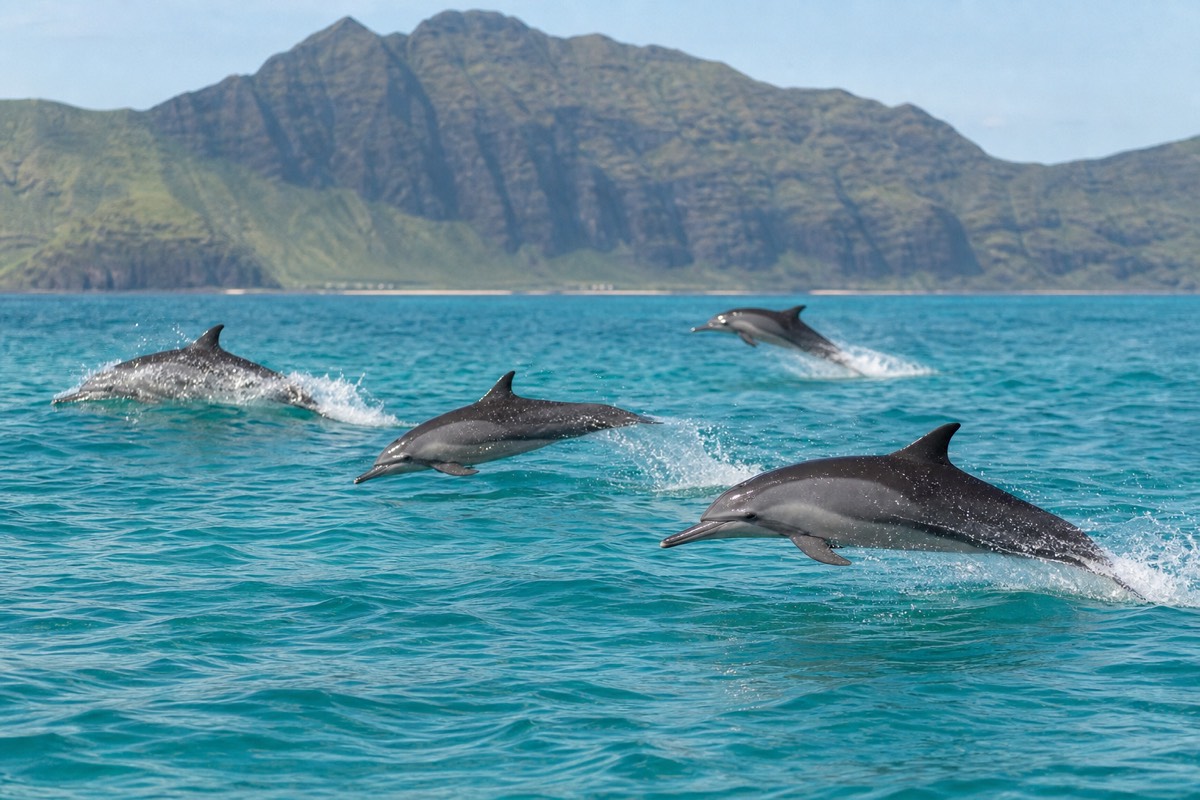
None of that changes the core booking math above. If a whale sighting specifically is the goal, the December-through-May window, and especially the January-through-March peak, is what actually matters. The rest of Oahu's marine life is simply a bonus that happens to overlap with it.
Where on Oahu Whales Are Actually Seen
Oahu doesn't have one single whale-watching zone. Boats out of Waikiki's south shore harbors, ours included, watch the same general corridor that whales pass through as they move along the coastline. The island's leeward, west-facing waters near Waianae see less boat traffic and, by some accounts, comparably strong sightings, though we don't operate departures there. The North Shore functions mostly as a shore-viewing option rather than a boat-tour hub; whales are sometimes visible from headlands, but organized boat tours are far less common on that coastline. Windward Kaneohe Bay, sheltered behind its barrier reef and home to the Kaneohe Sandbar, isn't a whale-watching destination at all; it's calm, protected water on the opposite side of the island from where the humpbacks actually travel.
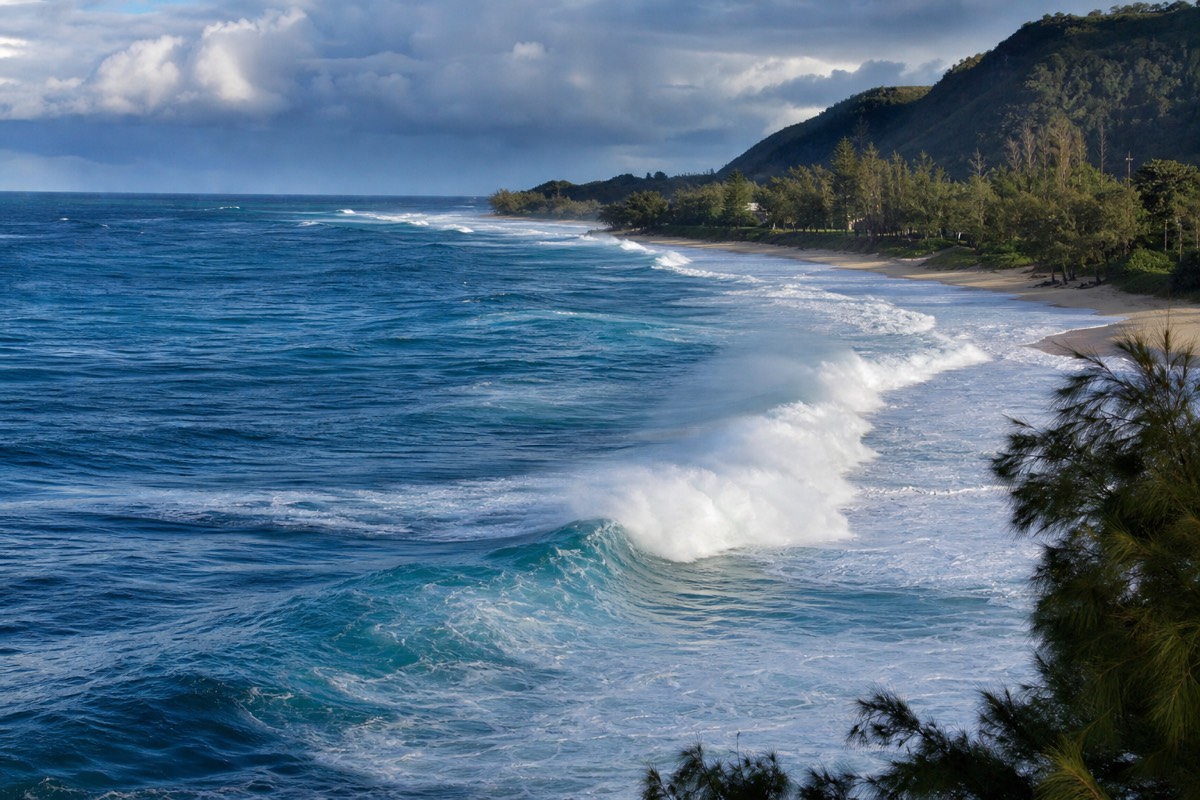
South shore departures carry one practical advantage worth naming directly: proximity to where most Oahu visitors are already staying. A trip from Ala Wai Harbor doesn't require a rental car, a long drive, or planning around traffic the way a west-side departure often does for someone based in Waikiki. That convenience doesn't make the whales themselves any more or less present, but it does make the whole outing considerably easier to actually fit into a trip.
| Departure area | Character | Boat tours available |
|---|---|---|
| South shore (Waikiki, Kewalo Basin, Ala Wai) | Oahu's main boat-tour hub, most convenient for Waikiki-based visitors | Yes, our own tour departs from here |
| Leeward / west side (Waianae) | Less crowded water, farther from most hotels | Limited, not something we currently operate |
| North Shore | Mostly a shoreline lookout area rather than a tour hub | Minimal, mostly DIY shore viewing |
Winter Ocean Conditions and What They Mean for Your Trip
Whale season on Oahu overlaps almost exactly with the island's winter swell season, and that's not a coincidence worth ignoring when you're planning a trip. From roughly November through March, the Pacific sends larger, more frequent north swells toward Hawaii, most famously toward the North Shore's big-wave breaks. The south shore, where our whale watching tour departs, is naturally more sheltered from that north swell by the island's own geography, which is part of why south shore harbors keep running boats through the winter while north-facing beaches get rougher and rougher.
That doesn't mean winter seas are always glassy on the south shore. Storm fronts still pass through occasionally, and on the roughest days operators reschedule or shorten trips for safety and comfort rather than run them anyway. If you're booking during peak whale season, building one buffer day into your itinerary before a hard deadline, like a flight home, gives you room to absorb a weather reschedule without losing the trip entirely.
Booking Around the Season
If a whale sighting is the whole point of your trip, aim for the January-through-March peak window if your travel dates allow it. Land in December or April and you're still inside a real season, just not its statistical peak. Outside December 15 through May 15 entirely, save the whale trip for another visit; our boat tours vs. Hanauma Bay comparison and Kewalo Basin Harbor guide cover what else is worth booking the rest of the year, and anyone tempted to skip a guide entirely and go looking for whales on a rented boat should read our boat rental versus guided tour comparison first, and our own evening sunset splash cruise has documented occasional late-season humpback sightings as a bonus for guests, even outside its main focus. And if you're weighing Oahu against a different island entirely for whale watching, our Oahu or Maui for whale watching comparison breaks down how the two actually stack up.
One last practical note: peak-season departures, especially February weekends, sell out further in advance than most of Oahu's other boat tours. If your travel dates fall inside January through March, booking a few weeks ahead rather than the day before gives you a real choice of morning or afternoon rather than whatever's left.
| Season phase | Recommended booking lead time | Why |
|---|---|---|
| Peak (January-March) | 2 to 3 weeks ahead | Highest demand of the season; morning departures fill first |
| Shoulder (December, April) | 1 to 2 weeks ahead | Moderate demand, still worth locking in your preferred time slot |
| Tail end (May 1-15) | A few days to a week ahead | Demand drops off as the season winds down |
These are planning guidelines rather than guarantees, since demand shifts year to year with travel trends and even with how much attention a given whale season gets in the news. When in doubt, earlier is safer, particularly if a specific morning or afternoon slot matters more to you than just getting on any boat that day.
Everything above comes down to one plain fact: the whales operate on their own calendar, and NOAA has already done the work of documenting exactly what that calendar looks like. December 15 through May 15, peak January through March, nothing else. The rest, morning versus afternoon, what to pack, which harbor to leave from, is comfort and convenience layered on top of a season that isn't going to move for anyone's travel dates. Plan around the dates that are actually real, and the rest of the trip tends to fall into place.