Boat Rental vs. Guided Tour on Oahu
Renting a boat on Oahu looks like the independent option until you add up the fuel, the deposit, and the safety course, so here is how the real cost and risk compares to booking a guided tour.
Compare the final cost for your whole party. A captained private charter offers privacy, but is not a self-drive rental.
Independent guide; tours are run by the listed operators. We may earn a commission from bookings. Article price examples are indicative; check current totals and restrictions at booking.
Quick choice: Stay dry while viewing the South Shore through deck viewports. A guide and bottled water are included. Explore Honolulu Glass-Bottom Boat
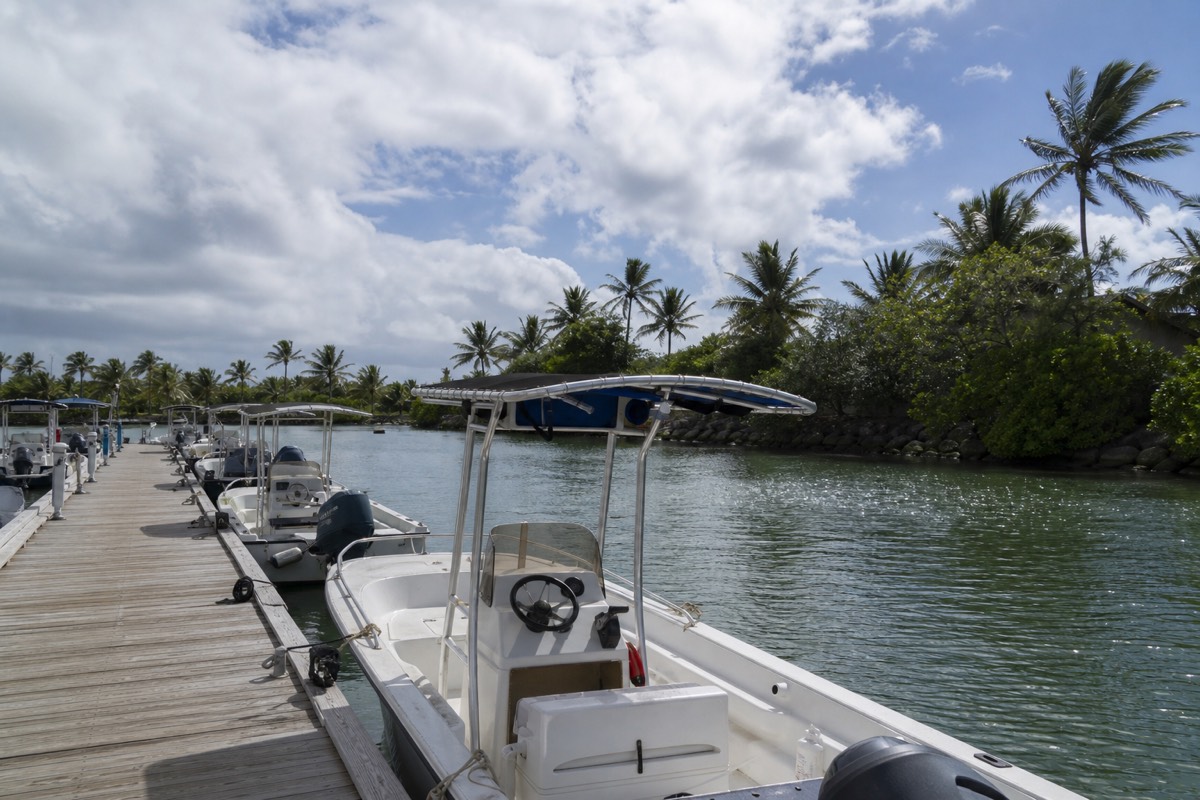
Renting a boat in Hawaii sounds simple until you start pricing it out: the boat itself, fuel, a deposit that can run into the hundreds, and in many cases a boating safety course you have to complete before anyone hands you the keys. A guided tour ticket, by comparison, is one number, quoted up front, with a licensed captain doing the parts that actually require experience. Neither option is automatically the smarter choice. It depends on what kind of afternoon you are trying to have, and how much of it you want to spend managing the boat instead of enjoying the water.
Our team runs guided departures out of Waikiki and Kewalo Basin, including whale watching, snorkeling, the Hāwea sunset sail, and a glass bottom boat tour of the reef. Before deciding between booking one of those and renting your own boat for the day, here is what the actual cost, licensing, and liability picture looks like on both sides.
Guided vs. Rental: Getting on the Water
Steps drawn from Hawaii DLNR Division of Boating and Ocean Recreation requirements and our team's own guided-tour booking flow.
The Real Cost Breakdown
A guided tour ticket is a flat number that already includes the boat, the fuel, the captain, and the safety gear. Renting is a stack of separate costs that most people do not add up until the bill arrives.
| Cost item | Guided tour | Boat rental |
|---|---|---|
| Base price | $43 to $68 per person, all-inclusive | Boat rate charged separately, often by the hour |
| Fuel | Included | Extra, charged by usage or a flat surcharge |
| Security deposit | Not applicable | Commonly required, refundable if the boat returns undamaged and on time |
| Safety course | Not required, captain is already licensed | Often expected before rental, sometimes required with proof |
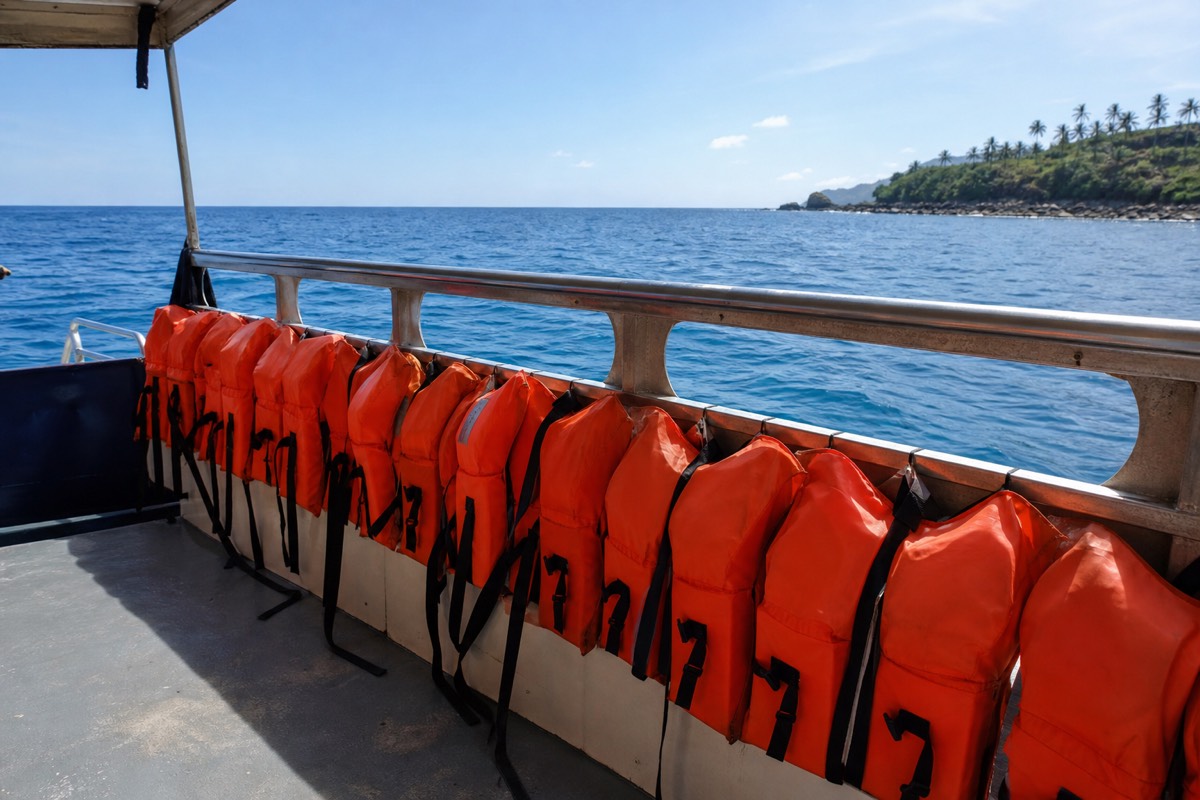
| Insurance exposure | Covered by the operator's commercial policy | Renter is typically liable for damage beyond what the rental agreement covers |
| Group pricing | Pay per person, no minimum group needed | One flat rate regardless of group size, better value for larger groups |
Current listings on boat rental marketplaces like Boatsetter and GetMyBoat show Oahu-area rentals starting around $130 to $185 an hour for a captained boat, with some self-drive bareboat listings priced lower. Private charters more broadly across Hawaii tend to run roughly $150 to $300 an hour for smaller powerboats and sailboats, climbing to $400 to $700 an hour for mid-size catamarans and $800 to $1,200 or more an hour for larger yachts. A single guided ticket with our team runs $43 to $68 total, not per hour, which is why renting only pencils out favorably once a large enough group is splitting the hourly rate, or the whole point is a private, unscheduled trip rather than a shared departure.
A Worked Example: A Family of Four for an Afternoon
Numbers land differently once they are applied to an actual group. Here is what a typical afternoon looks like for a family of four choosing between one of our guided tours and renting a boat for roughly the same three to four hours on the water.
| Option | Base cost | Extras | Rough total for 4 |
|---|---|---|---|
| Guided tour (snorkeling, $59/person) | $236 for 4 tickets | None, gear and crew included | $236 |
| Guided tour (whale watching, $50/person) | $200 for 4 tickets | None, hydrophone and captain included | $200 |
| Captained rental, 3 hours | $130 to $185/hr x 3 | Fuel surcharge, often $50 to $100+ | roughly $440 to $655 |
| Bareboat rental, 3 hours | Often priced below captained rates | Boatsetter's $500 minimum security deposit, plus fuel | roughly $500+ before fuel, deposit refundable if the boat comes back undamaged |
The deposit is the detail that catches people off guard. Boatsetter's own policy sets a $500 minimum security deposit on every rental, and individual boat owners can require more. That money is refundable if the boat is returned on time and undamaged, but it still has to be available on a card at the start of the trip, on top of whatever the hourly rate and fuel actually cost. A guided tour has no equivalent line item: the ticket price is the full price.
Run the same math for a couple instead of a family of four and the gap narrows less than it might seem. Two guided tickets still land at $86 to $136 total, while an hourly rental rate does not drop just because fewer people are splitting it, so a two- or three-hour rental commonly still lands north of $300 to $500 once fuel and the deposit hold are factored in. The rental only becomes the cheaper option per person once a group is large enough, roughly five or six people or more, to spread that flat hourly cost across enough tickets to undercut a shared guided departure.
Licensing and Experience Requirements in Hawaii Waters
Every vessel operating in Hawaii waters, rented or not, has to be registered with the state's Division of Boating and Ocean Recreation (DBOR), part of the Department of Land and Natural Resources. Commercial operators, meaning any company renting boats out or running paid tours, need a Commercial Operators Permit on top of that registration. None of that is optional paperwork a company can skip.
Where the two paths really diverge is who is expected to know how to run the boat. Renters are generally expected to complete a boating safety course before taking a boat out, and a number of rental operators will ask for proof of it before handing over the keys. That is a real requirement, not a formality: reading conditions on Oahu's south shore, judging swell, managing an engine, and reacting to a change in weather are skills a course introduces but does not fully substitute for real time on the water. Guided tours skip all of that from the guest's side. The captains our team works with are licensed, experienced professionals who already know these waters, so nobody booking a seat needs to have ever driven a boat.
| Requirement | Guided tour | Boat rental (renter's responsibility) |
|---|---|---|
| Vessel registration with DBOR | Handled by the operator | Handled by the rental company, but you are operating a registered vessel either way |
| Commercial Operators Permit | Held by the tour operator | Held by the rental company, not the renter |
| Boating safety course | Not needed, captain already qualified | Commonly expected, sometimes required with proof before rental |
| On-water experience | Provided by a licensed, experienced captain | Renter's own experience is what you are relying on |
| Weather/condition judgment | Captain's call, made from local experience | Renter's call, with less local context |
One nuance worth knowing before you assume a rental means signing up for a formal, multi-hour boater course: Hawaii's Division of Boating and Ocean Recreation (DBOR) exempts renters from the standard Boater Education Card requirement when the rental company itself delivers a state-approved safety briefing at the dock. In practice, that is how most tourist-facing rental operators handle it, a briefing before you leave rather than a certificate you had to earn in advance. It does not remove the judgment call of actually running the boat once you are out there, which is still on you as the renter, but it does mean you are not stuck finding a boating course to complete before your trip.
Before You Book a Rental: A Quick Eligibility Checklist
A few practical items decide whether a rental is even realistic for your trip, before cost or experience level enter the picture at all.
| Item | What to expect |
|---|---|
| Vessel registration | Every boat used in Hawaii waters must be registered with the DBOR; the rental company handles this, not the renter |
| Safety briefing | A state-approved dock briefing from the rental company typically satisfies the boater education requirement |
| Security deposit | Commonly $500 minimum on marketplace platforms like Boatsetter, refundable if the boat returns undamaged and on time |
| Age requirements | Hawaii law requires anyone under 16 operating a boat to be directly supervised by an adult 21 or older who holds the required certification; individual rental listings often set their own higher age minimums, especially for bareboat (self-drive) rentals |
| Cancellation and weather policy | Set by the individual rental agreement, and the decision to cancel or continue in changing conditions is generally the renter's to make |
None of that is disqualifying for most visitors. It is simply the paperwork and judgment calls that shift from an operator's staff onto you personally the moment you take the wheel yourself, which is exactly the trade-off worth weighing against a flat, all-inclusive guided ticket.
Insurance and Liability: Who's on the Hook
This is the part people underestimate most. When something goes wrong on a guided tour, mechanical or otherwise, the liability sits with the licensed operator running a commercial vessel under a commercial policy. When you rent a boat and something goes wrong, damage, an accident, even a mechanical failure while you are driving, the financial exposure generally sits with you as the renter. That is exactly why rental companies collect a deposit in the first place.
| Scenario | Guided tour | Boat rental |
|---|---|---|
| Mechanical issue mid-trip | Operator's responsibility, covered by commercial insurance | May affect your deposit depending on the rental agreement |
| Damage to the vessel | Not the guest's liability | Typically the renter's liability up to the deposit or beyond |
| Injury on board | Covered under the operator's commercial liability policy | Depends entirely on the rental agreement's terms |
| Weather-related cancellation | Operator makes the call and reschedules or refunds per policy | Renter often bears the decision and any resulting costs |
What You Actually Get on a Guided Tour
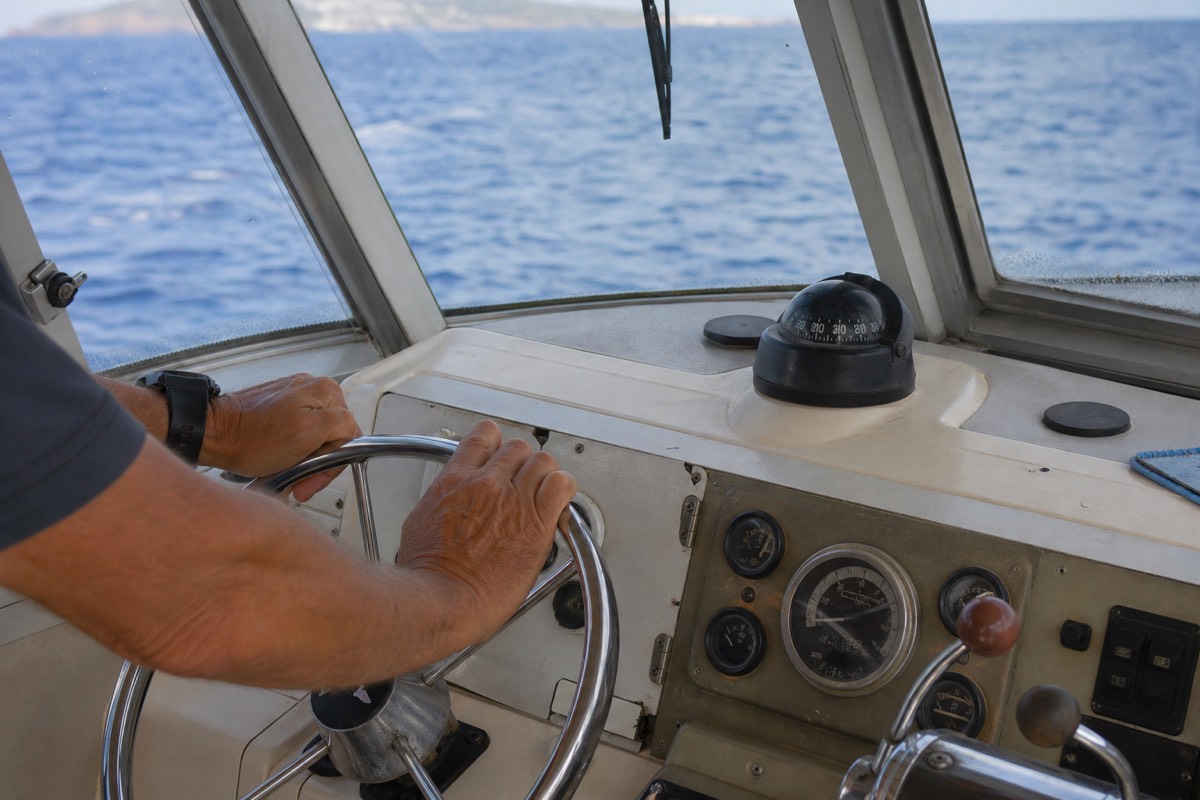
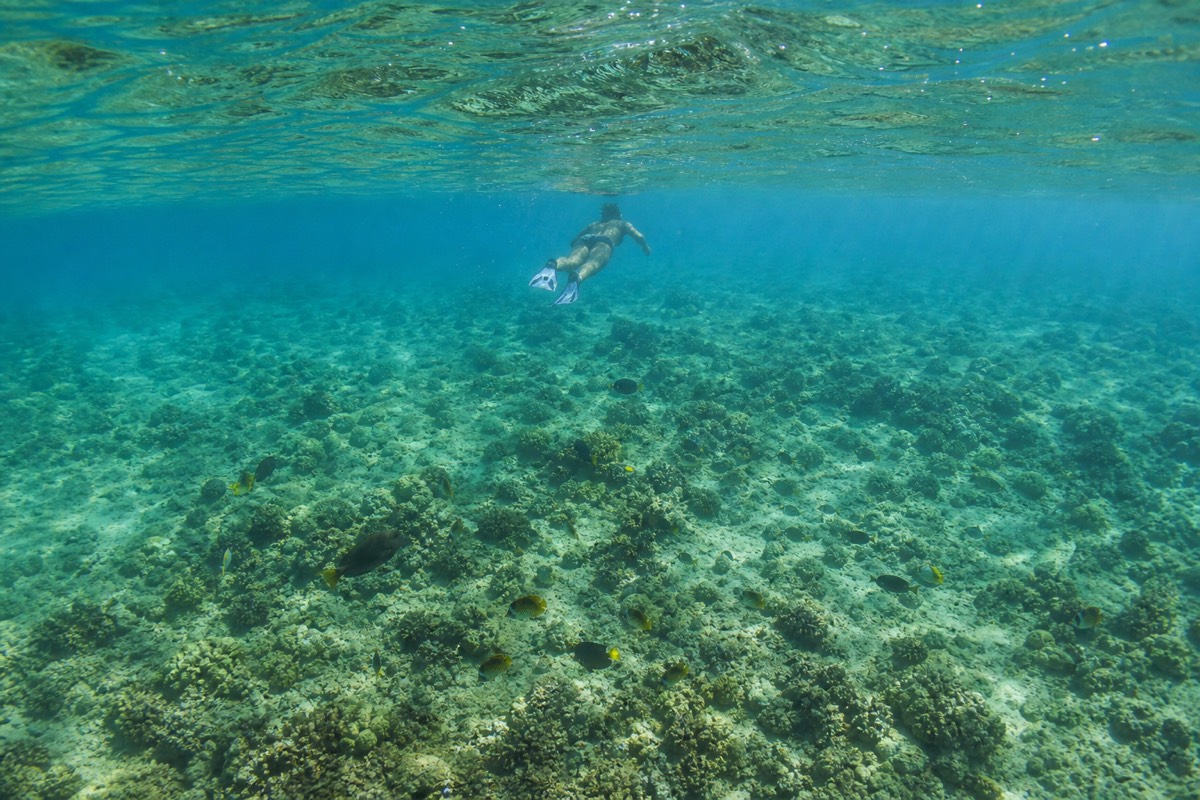
Beyond cost and liability, a guided tour comes with things a rental simply does not include, because they depend on local knowledge rather than the boat itself. Our whale watching tour runs an onboard hydrophone so guests can hear the whales' songs, something no rental boat provides on its own. The glass bottom boat tour uses purpose-built viewports over a real shipwreck and reef, a route the crew has run enough times to know exactly where to position the boat for the best sightings. The snorkeling trip includes an underwater viewing room built into the catamaran for guests who do not want to get in the water, plus gear and a crew that already knows where the turtles tend to be that week.
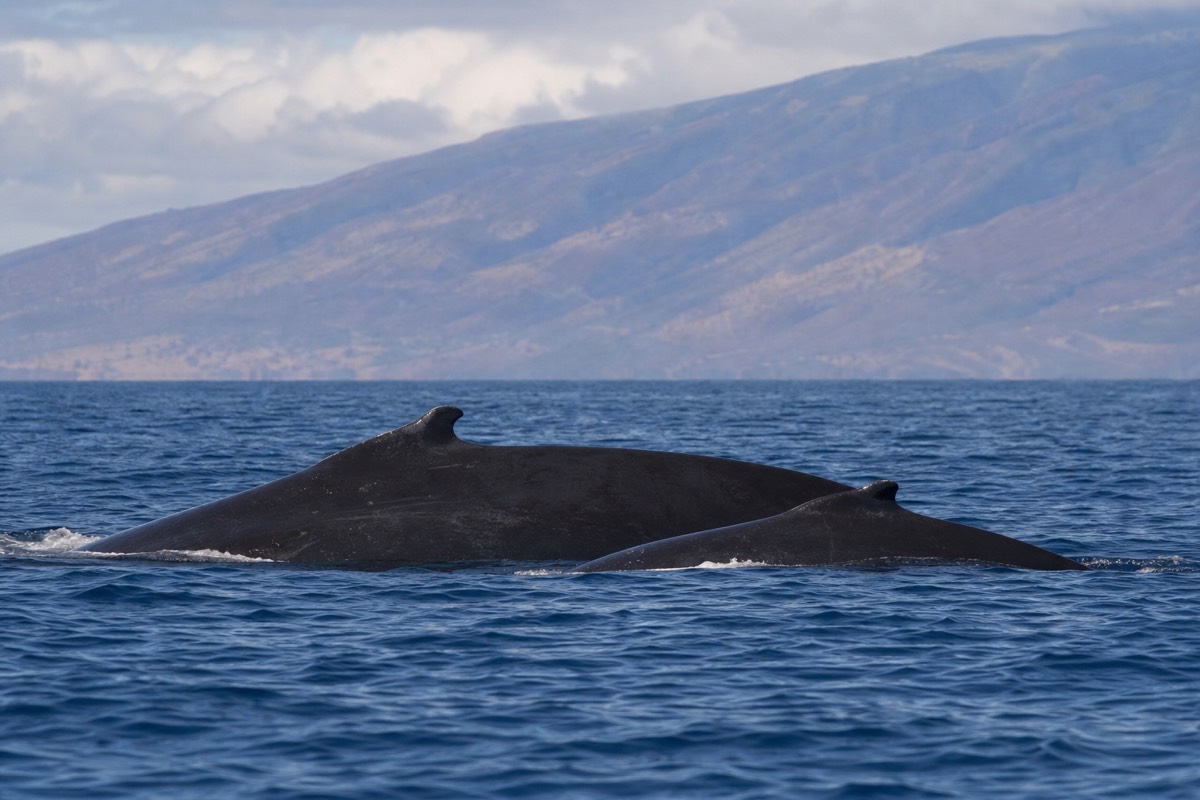
None of that comes from renting a bareboat and driving yourself out. A rental gets you a boat. A guided tour gets you a boat, a captain who already knows these specific waters, and equipment built around actually finding wildlife and reef, not just floating near it and hoping.
Trade Winds and Ocean Conditions: Why Local Judgment Matters
Oahu's south shore, where most of our departures leave from, is generally sheltered compared to the more exposed windward and north-facing coasts, but "generally sheltered" is not the same as predictable. Northeast trade winds are the dominant pattern most of the year, and conditions can shift with surf swells, occasional Kona wind events from the south, and the usual afternoon buildup of wind chop that is common across the islands. None of that is dramatic on a normal day. It is exactly the kind of thing a captain who runs these waters every week reads automatically and a first-time renter has to work out in the moment.
This is where the gap between a safety briefing and real experience shows up. A dock briefing covers the boat's controls, the safety equipment, and the basic rules. It does not teach someone how to judge whether a patch of building wind chop near Diamond Head is worth turning back for, or how a swell direction changes where it is comfortable to anchor. Our captains make that call constantly, on tours running rain or shine within their operating limits, because reading the water here is the job, not an occasional judgment call layered on top of driving. A renter without that background is making the same calls with far less to draw on, which is fine for calm, forecast-friendly conditions and a real consideration the moment weather turns marginal.
When Renting Actually Makes Sense
None of this makes renting the wrong call across the board. If you are an experienced boater with real hours logged, already hold the right certifications, and want full independence, picking your own route, your own pace, your own stops, a rental gives you something a scheduled group tour never will. It also makes more financial sense for a larger group splitting an hourly rate, or for someone who specifically wants a private trip on their own schedule rather than a fixed departure time.
Where renting stops making sense is for first-time visitors without local water experience, people traveling solo or in a small group where the per-person math favors a shared tour, or anyone who wants to spend the afternoon actually looking at whales and reef instead of watching the depth finder. The same logic applies to an evening on the water: renting a boat just to watch the sunset is a lot of licensing and liability for something a guided sail already delivers; see what actually happens on a sunset cruise for what that looks like without the DIY overhead.
There is also a middle option worth knowing about: a private charter. It is not the same as a bareboat rental. A private charter puts a licensed captain on board, the same as a group guided tour, but reserves the whole boat for your own party instead of sharing seats with other guests. That gets you the independence of choosing your own schedule and pace without taking on the license, insurance, and weather-judgment responsibility a self-drive rental hands you. It costs more than a per-person guided seat, generally scaling with boat size the same way rental rates do, but it removes the single biggest risk factor in the rental comparison above: nobody on board is learning to read Oahu's water for the first time while also trying to keep everyone safe.
Who Should Choose Which
| You are | Better fit | Why |
|---|---|---|
| A first-time visitor to Oahu | Guided tour | No license, course, or local knowledge required |
| An experienced, certified boater | Rental | Full independence, your own route and pace |
| Traveling solo or as a couple | Guided tour | Per-person pricing beats a full hourly boat rate for one or two people |
| A large group of 6 or more | Rental (if experienced) or a private charter | Hourly rate splits further across more people |
| Wanting wildlife knowledge and the right spots | Guided tour | Crew already knows where whales, turtles, and reef are that week |
| Wanting full route control on your own schedule | Rental | No fixed departure time or set itinerary |
For most visiting travelers without Hawaii boating experience, a guided tour is the more straightforward choice. There is no course to complete before you arrive, no deposit at risk if conditions turn, and the person driving the boat already knows these waters well enough to put you in front of a whale, a reef, or a sunset instead of just pointing the bow at open water. If you are deciding between our own sunset cruise and dinner cruise options, or weighing whether snorkeling from a boat beats going straight to Hanauma Bay from shore, those comparisons cover the guided side of the equation in more depth. If whale watching specifically is the goal, our month-by-month guide to Oahu's whale season will get the timing right regardless of which route you take. And for a full look at whether the glass bottom boat trip is worth adding to your list, see our honest answer on the glass bottom boat tour.