Boat Tour Seasickness: What Actually Helps.
Practical, non-medical planning tips for boat tour seasickness, grounded in CDC and Mayo Clinic guidance rather than folklore.
Once you have decided a boat outing suits you, compare trip length and time on open water. A shorter tour is not a treatment for seasickness.
Independent guide; tours are run by the listed operators. We may earn a commission from bookings. Article price examples are indicative; check current totals and restrictions at booking.
Quick choice: Stay dry while viewing the South Shore through deck viewports. A guide and bottled water are included. Explore Honolulu Glass-Bottom Boat
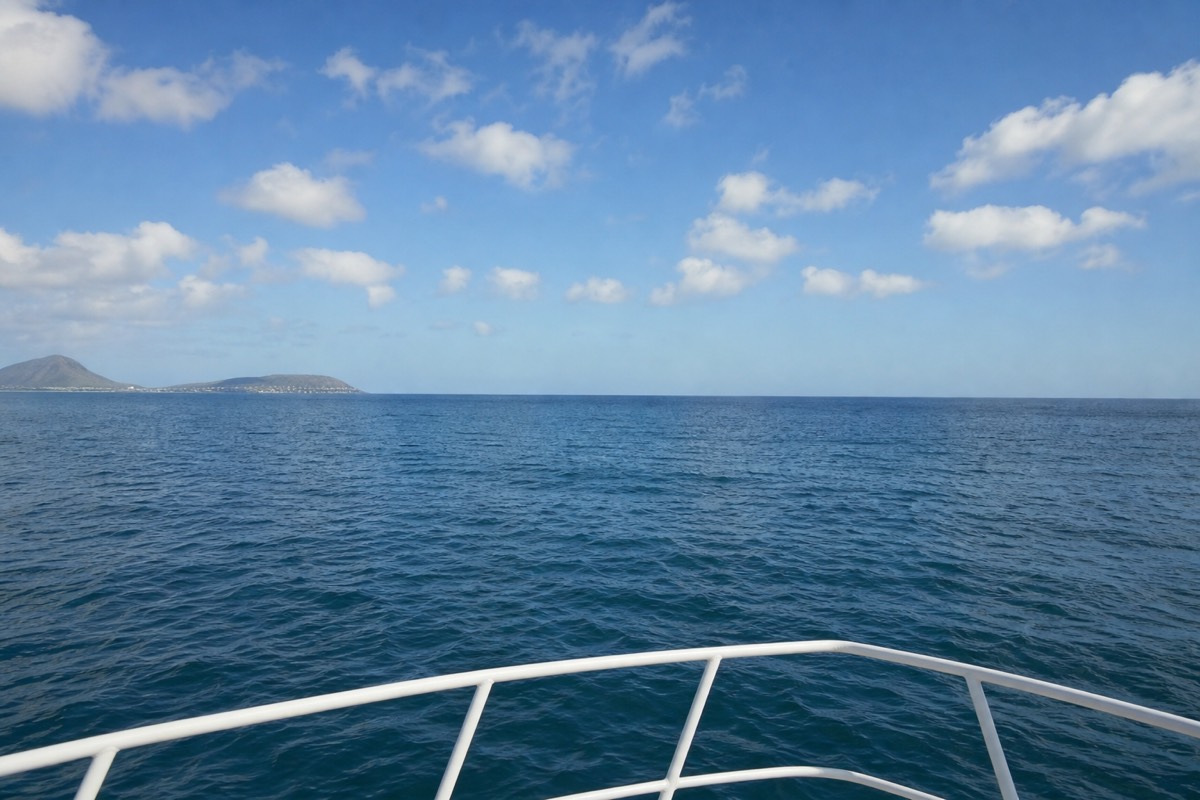
A boat that feels perfectly steady tied up at the harbor can feel like a different vehicle entirely once it clears the breakwater and meets the open Pacific swell. That shift catches a fair number of first-time boat-tour passengers off guard. This isn't medical advice, just the practical, honest planning tips that actually help most people, drawn from established travel-health guidance.
Why Boats Make Some People Queasy
Motion sickness happens when your inner ear, which senses movement, and your eyes, which may be fixed on something that looks still, like a phone screen or a book, send your brain conflicting signals. On land that mismatch rarely happens. On a boat, especially belowdecks or with your head down, it happens constantly. The CDC's travel health guidance identifies this sensory conflict as the mechanism behind motion sickness on any moving vehicle, boats included.
Before You Board: What Actually Helps
Most of the effective prevention happens before the boat ever leaves the dock, not once you're already feeling off.
- Get a real night's sleep beforehand. Fatigue makes motion sickness noticeably worse.
- Eat something light. A heavy or greasy meal right before departure gives your stomach more to react to once the boat starts moving.
- Stay hydrated. Dehydration can worsen nausea symptoms on its own, separate from the boat's motion.
- Consider candied ginger or ginger tea. Ginger is a commonly used, low-risk option many travelers reach for before a boat trip.
Once You're on the Boat
Where you sit and where you look both matter more than most people expect.
| Before you board | Once you're on board |
|---|---|
| Sleep well the night before | Sit mid-boat, low deck, where motion is smallest |
| Eat something light, skip heavy or greasy food | Keep your eyes on the horizon, not a phone or book |
| Stay hydrated | Get fresh air rather than staying in an enclosed cabin |
| Consider ginger chews or tea in advance | Avoid reading or focused close-up screen time |
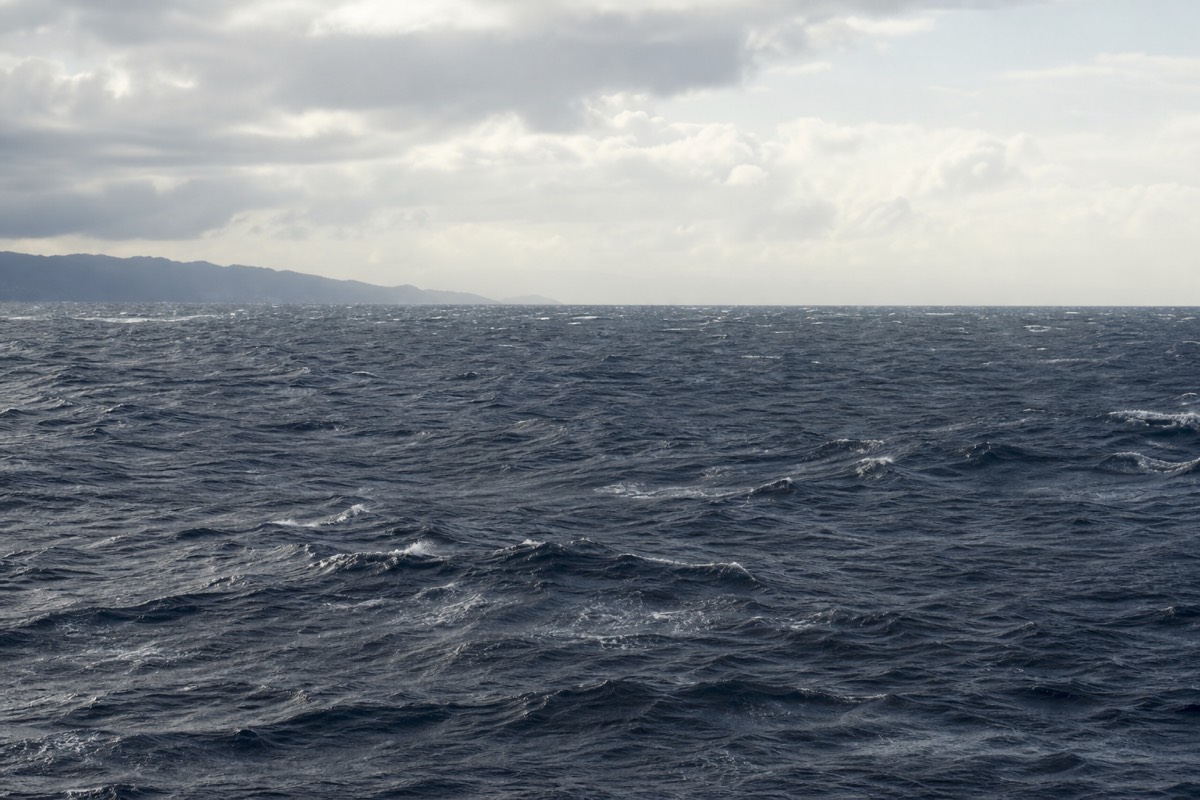
The horizon-focus tip is more than folklore. Mayo Clinic's guidance on motion sickness specifically recommends fixing your gaze on a stable, distant point like the horizon, since it helps resolve the sensory mismatch between what your eyes and inner ear are each reporting.
Over-the-Counter Options People Commonly Use
Dramamine and Bonine are two widely known over-the-counter brand names travelers commonly bring on boat trips, both falling into the antihistamine category of motion sickness remedies referenced in general travel health guidance. We're not going to give dosing advice here, since that depends on the person, the product, and any other medication involved. If you're prone to seasickness or taking other medication, a quick conversation with a doctor or pharmacist before your trip is worth more than anything in this article.
Does the Type of Tour Matter?
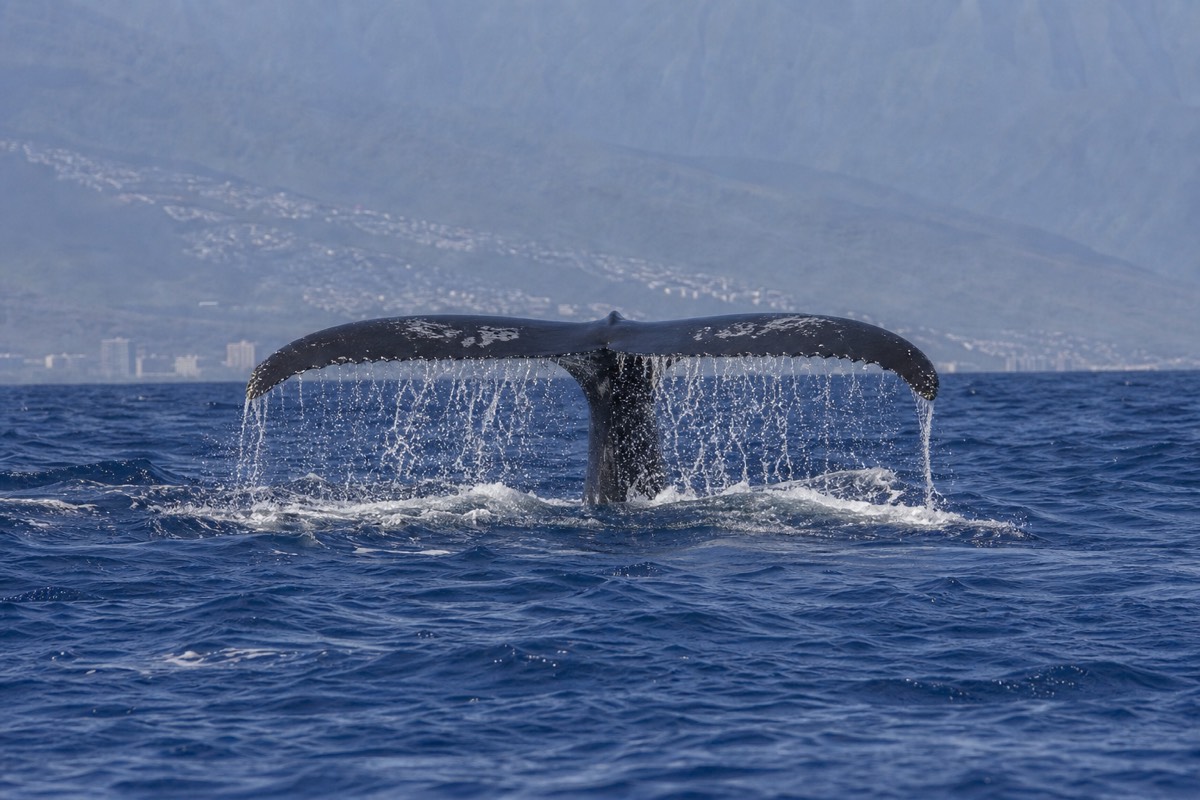
Some Oahu boat trips are simply more exposed to open swell than others, and that affects your odds regardless of anything above. A whale watching tour spends most of its two hours in deeper, more open water looking for whales, which tends to mean more motion than a shorter, closer-to-shore trip. A glass-bottom boat tour generally stays calmer since it sticks closer to the reef and shoreline for most of the route, and an evening sail is generally gentler too; see what actually happens on a sunset cruise for the full walk-through. The same swell math applies whichever island you're choosing between, which our Oahu versus Maui whale watching comparison touches on too. Neither difference is dramatic on a normal day, but if you already know you're sensitive to motion, it's a reasonable factor to weigh when picking between tours, not just when packing for whichever one you book.
What About Bands and Patches?
Acupressure wristbands and behind-the-ear patches are common enough on Hawaii boat tours that you'll likely see other passengers wearing them. They work for some people and not others. The evidence behind acupressure bands specifically is mixed compared to the more established antihistamine and horizon-focus approaches above. If you already know one works for you, there's no reason not to use it.
If You're Still Feeling It
Sitting still and staring at the horizon, ideally with fresh air on your face, remains the single most reliable in-the-moment fix if nausea hits despite everything above. Moving toward the boat's center and lowest accessible deck, away from the bow and stern where motion is most exaggerated, helps too. Crew on tours like our own whale watching tour and evening sunset cruise deal with this regularly and are generally glad to point out the calmest spot on board if you ask.